


Discover the Healing Power of Self-Care Practices
- Gina Tourangeau
- Aug 12, 2025
- 5 min read

In today's fast-paced world, taking time for ourselves often feels like a luxury we cannot afford. However, self-care is not just a trend; it is a necessity for our mental, emotional, and physical well-being. By incorporating self-care practices into our daily routines, we can enhance our quality of life and promote healing.
This blog post will explore various self-care practices, their benefits, and how to integrate them into your life. Whether you are new to self-care or looking to deepen your practice, this guide will provide you with practical tips and insights.
What is Self-Care?
Self-care refers to the activities and practices that we engage in to take care of our mental, emotional, and physical health. It is about recognizing our needs and taking steps to meet them. Self-care can take many forms, from simple daily habits to more structured routines.
The Importance of Self-Care
Self-care is essential for several reasons:
Reduces Stress: Engaging in self-care activities can help lower stress levels and promote relaxation.
Improves Mental Health: Regular self-care can enhance mood and reduce symptoms of anxiety and depression.
Boosts Physical Health: Taking care of our bodies through exercise, nutrition, and rest can lead to better overall health.
Enhances Relationships: When we take care of ourselves, we are better equipped to care for others.
By prioritizing self-care, we can create a healthier and more balanced life.
Types of Self-Care Practices
Self-care practices can be categorized into several types. Here are some key areas to consider:
Physical Self-Care
Physical self-care involves taking care of your body. This can include:
Exercise: Regular physical activity can improve mood and energy levels. Aim for at least 30 minutes of exercise most days of the week.
Nutrition: Eating a balanced diet rich in fruits, vegetables, whole grains, and lean proteins can support overall health.
Sleep: Prioritizing quality sleep is crucial for physical and mental well-being. Aim for 7-9 hours of sleep each night.
Hygiene: Simple practices like showering, grooming, and maintaining personal hygiene can boost self-esteem and comfort.
Emotional Self-Care
Emotional self-care focuses on nurturing your emotional well-being. Consider these practices:
Journaling: Writing down your thoughts and feelings can help you process emotions and gain clarity.
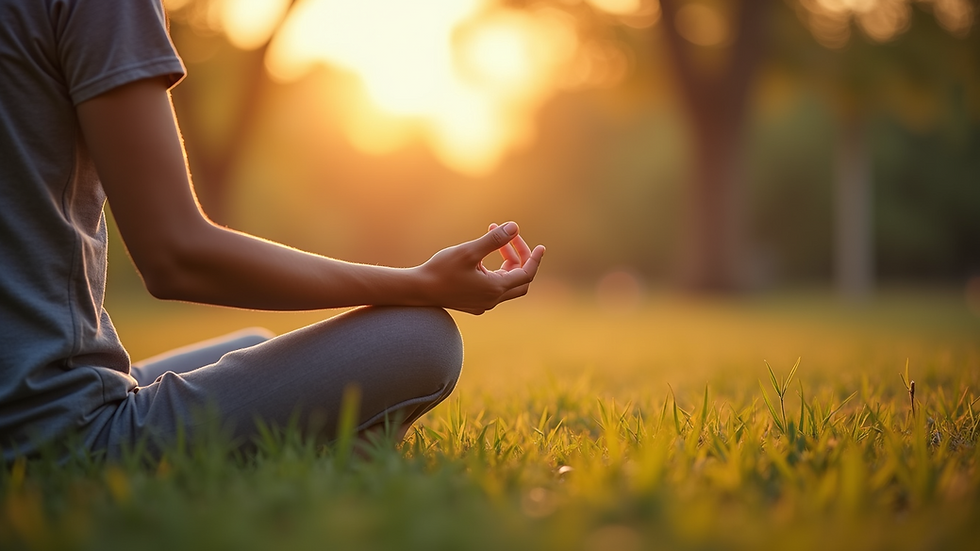
Mindfulness and Meditation: Practicing mindfulness or meditation can reduce stress and promote emotional balance.
Therapy: Seeking professional help can provide support and guidance for emotional challenges.
Creative Outlets: Engaging in creative activities like painting, music, or crafting can be therapeutic.
Social Self-Care
Social self-care emphasizes the importance of relationships and connections. Here are some ideas:
Quality Time: Spend time with friends and family. Building strong relationships can provide support and joy.
Set Boundaries: Learn to say no when necessary. Protecting your time and energy is vital for self-care.
Join a Community: Engage in groups or clubs that align with your interests. This can foster a sense of belonging.
Spiritual Self-Care
Spiritual self-care involves nurturing your spirit and finding purpose. Consider these practices:
Nature Walks: Spending time in nature can be grounding and rejuvenating.
Meditation or Prayer: Engaging in spiritual practices can provide comfort and connection.
Gratitude Practices: Reflecting on what you are grateful for can shift your perspective and enhance well-being.
How to Create a Self-Care Routine
Creating a self-care routine can help you prioritize your well-being. Here are some steps to get started:
1. Assess Your Needs
Take time to reflect on your current state. What areas of your life feel neglected? What do you need more of?
2. Set Realistic Goals
Start small. Choose one or two self-care practices to incorporate into your routine.
3. Schedule Time for Self-Care
Treat self-care like an important appointment. Block out time in your calendar to ensure you prioritize it.
4. Be Flexible
Life can be unpredictable. If you miss a day or two, do not be hard on yourself. Adjust your routine as needed.
5. Evaluate and Adjust
Regularly check in with yourself. Are your self-care practices working? Do you need to make changes?
Overcoming Barriers to Self-Care
Many people struggle with prioritizing self-care due to various barriers. Here are some common challenges and tips to overcome them:
Time Constraints
Many people feel they do not have enough time for self-care. To combat this, try:
Micro Self-Care: Incorporate small self-care activities into your day, such as taking a few deep breaths or enjoying a cup of tea.
Combine Activities: Pair self-care with other tasks, like listening to a podcast while exercising.
Guilt
Some individuals feel guilty about taking time for themselves. To address this:
Reframe Your Mindset: Remember that self-care is not selfish. It is necessary for your well-being.
Communicate: Share your self-care goals with loved ones. They can support you in prioritizing your needs.
Lack of Motivation
Feeling unmotivated can hinder self-care efforts. To boost motivation:
Find Enjoyment: Choose activities that you genuinely enjoy. This will make self-care feel less like a chore.
Accountability: Share your self-care goals with a friend or join a group. Having someone to share your journey with can increase motivation.
The Benefits of Self-Care
Engaging in self-care practices can lead to numerous benefits, including:
Increased Resilience: Regular self-care can help you cope better with stress and challenges.
Improved Focus: Taking breaks for self-care can enhance concentration and productivity.
Enhanced Relationships: When you take care of yourself, you can be more present and supportive in your relationships.
Greater Happiness: Prioritizing self-care can lead to a more positive outlook on life.
Real-Life Examples of Self-Care
To illustrate the power of self-care, here are a few real-life examples:
Example 1: Sarah's Morning Routine
Sarah, a busy professional, struggled with stress and burnout. She decided to create a morning routine that included:
Meditation: She started each day with 10 minutes of meditation to center herself.
Exercise: After meditation, she went for a brisk walk to boost her energy.
Healthy Breakfast: Sarah made a nutritious breakfast to fuel her day.
As a result, Sarah felt more focused and less stressed throughout her workday.
Example 2: Mark's Weekend Ritual
Mark found himself feeling overwhelmed by work and personal responsibilities. To combat this, he established a weekend ritual that included:
Nature Hikes: Every Saturday, he went for a hike in the nearby mountains to connect with nature.
Creative Time: He dedicated Sunday afternoons to painting, which allowed him to express himself creatively.
This routine helped Mark recharge and find joy in his weekends.
Embracing the Journey of Self-Care
Self-care is not a one-time event; it is an ongoing journey. As you explore different practices, remember that it is essential to be patient with yourself.
You may find that some practices resonate more than others. That is perfectly okay. The key is to remain open to trying new things and adapting your routine as needed.
Final Thoughts
Incorporating self-care practices into your life can lead to profound healing and transformation. By prioritizing your well-being, you can enhance your quality of life and cultivate a deeper sense of happiness.
Remember, self-care is not a luxury; it is a necessity. So, take a moment today to reflect on your needs and commit to nurturing yourself. You deserve it.


Comments