


10 Self-Care Tips for a Holistic Wellness Lifestyle
- Gina Tourangeau
- Aug 12, 2025
- 5 min read

In today's fast-paced world, taking care of ourselves often takes a backseat. We juggle work, family, and social commitments, leaving little time for self-care. However, prioritizing our well-being is essential for a balanced and fulfilling life. A holistic wellness lifestyle focuses on nurturing the mind, body, and spirit. Here are ten self-care tips to help you embrace this lifestyle and enhance your overall well-being.
1. Practice Mindfulness
Mindfulness is the practice of being present in the moment. It helps reduce stress and anxiety while improving focus and clarity. You can start by setting aside just a few minutes each day to practice mindfulness.
Try deep breathing exercises: Inhale deeply through your nose, hold for a few seconds, and exhale slowly through your mouth. Repeat this several times.
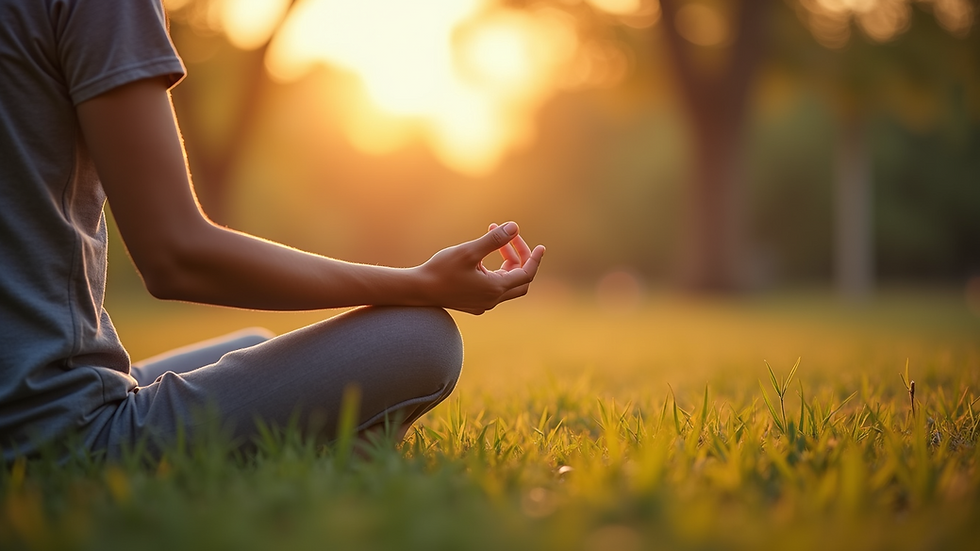
Engage in meditation: Find a quiet space, close your eyes, and focus on your breath. If your mind wanders, gently bring your focus back to your breathing.
Mindfulness can be practiced anywhere, whether you are at home, at work, or even during your commute.
2. Nourish Your Body
What you eat plays a significant role in your overall wellness. A balanced diet rich in whole foods can boost your energy levels and improve your mood.
Incorporate more fruits and vegetables: Aim for a colorful plate filled with a variety of nutrients.
Stay hydrated: Drink plenty of water throughout the day. Herbal teas can also be a great addition.
Limit processed foods: Try to reduce your intake of sugary snacks and fast food. Instead, opt for healthier alternatives like nuts, yogurt, or homemade smoothies.
Nourishing your body is a vital step toward achieving holistic wellness.
3. Get Moving
Physical activity is essential for both physical and mental health. Regular exercise can help reduce stress, improve mood, and boost self-esteem.
Find an activity you enjoy: Whether it’s dancing, hiking, or yoga, choose something that makes you happy.
Set realistic goals: Start small and gradually increase the intensity and duration of your workouts.
Make it social: Invite friends or family to join you. Exercising with others can make it more enjoyable and keep you motivated.
Movement is not just about hitting the gym; it can be as simple as taking a walk in your neighborhood.
4. Prioritize Sleep
Sleep is crucial for overall health and well-being. Lack of sleep can lead to various health issues, including stress and anxiety.
Establish a bedtime routine: Create a calming pre-sleep ritual, such as reading or taking a warm bath.
Limit screen time before bed: The blue light from screens can interfere with your sleep. Try to turn off devices at least an hour before bedtime.
Create a comfortable sleep environment: Ensure your bedroom is dark, quiet, and cool to promote better sleep.
Prioritizing sleep can significantly impact your mood and energy levels.
5. Connect with Nature
Spending time in nature can have a profound effect on your mental health. Nature has a calming effect and can help reduce feelings of stress and anxiety.
Take a walk in the park: Enjoy the fresh air and observe the beauty around you.
Start a garden: Gardening can be a therapeutic activity that allows you to connect with the earth.
Plan outdoor activities: Whether it’s hiking, biking, or simply sitting outside, make time to enjoy nature.
Connecting with nature can help you feel more grounded and at peace.
6. Cultivate Gratitude
Practicing gratitude can shift your focus from what you lack to what you have. This positive mindset can improve your overall well-being.
Keep a gratitude journal: Write down three things you are grateful for each day. This simple practice can help you appreciate the little things in life.
Express gratitude to others: Take time to thank those who have made a positive impact on your life. A simple note or message can go a long way.
Reflect on your day: Before going to bed, think about the positive moments you experienced.
Cultivating gratitude can enhance your mood and foster a sense of contentment.
7. Set Boundaries
Learning to say no is an essential part of self-care. Setting boundaries helps protect your time and energy.
Identify your limits: Understand what you can handle and what may overwhelm you.
Communicate your needs: Be honest with others about your boundaries. It’s okay to prioritize your well-being.
Practice self-compassion: Remember that it’s okay to put yourself first sometimes.
Setting boundaries can help you maintain a healthy balance in your life.
8. Engage in Creative Activities
Creativity can be a powerful outlet for self-expression and stress relief. Engaging in creative activities can boost your mood and enhance your overall well-being.
Try painting or drawing: You don’t have to be an artist to enjoy creating. Just let your imagination flow.
Explore writing: Journaling, poetry, or storytelling can be a great way to express your thoughts and feelings.
Learn a new skill: Consider taking up a new hobby, such as knitting, photography, or playing a musical instrument.
Engaging in creative activities can provide a sense of accomplishment and joy.
9. Foster Relationships
Strong relationships are vital for emotional well-being. Connecting with others can provide support and enhance your happiness.
Reach out to friends and family: Make time for regular catch-ups, whether in person or virtually.
Join a community group: Find local clubs or organizations that align with your interests. This can help you meet new people and build connections.
Volunteer: Helping others can create a sense of purpose and strengthen your community ties.
Fostering relationships can enrich your life and provide a support system.
10. Embrace Self-Compassion
Being kind to yourself is a crucial aspect of self-care. Self-compassion allows you to treat yourself with the same kindness you would offer a friend.
Practice positive self-talk: Challenge negative thoughts and replace them with affirming statements.
Acknowledge your feelings: It’s okay to feel sad, anxious, or overwhelmed. Allow yourself to experience these emotions without judgment.
Celebrate your achievements: No matter how small, recognize your accomplishments and be proud of yourself.
Embracing self-compassion can lead to a more positive and fulfilling life.

As you explore these self-care tips, remember that holistic wellness is a journey, not a destination. Each small step you take can lead to significant changes in your life. By prioritizing your well-being, you can create a more balanced and fulfilling lifestyle.
Incorporating these practices into your daily routine can help you cultivate a holistic wellness lifestyle. Start with one or two tips that resonate with you, and gradually add more as you feel comfortable. Your journey to wellness is unique, and every effort counts. Embrace the process, and enjoy the positive changes that come your way.

Comments